

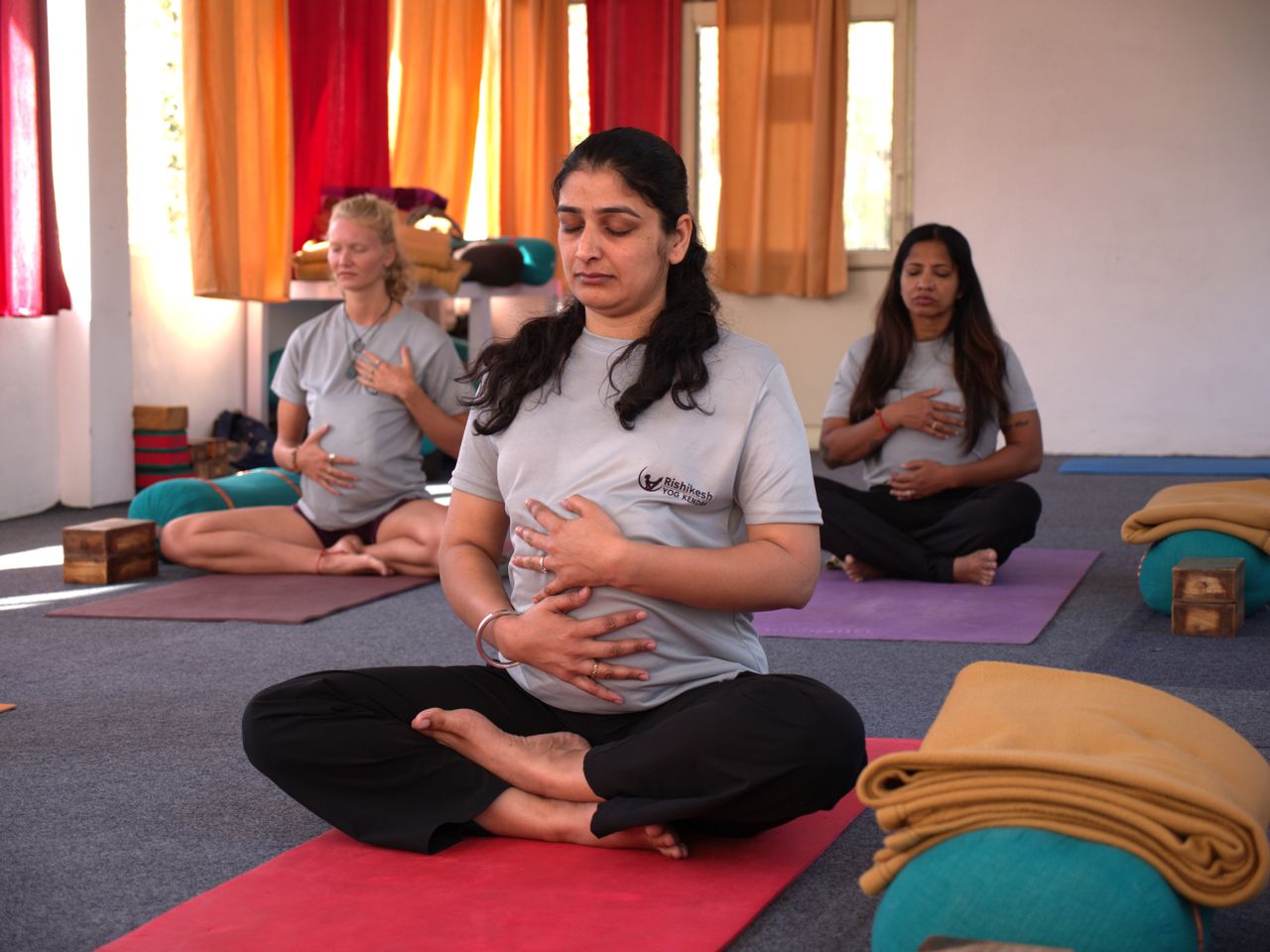
A video featuring a pregnant woman performing advanced yoga poses at 39 weeks has gone viral, igniting a widespread debate about the safety of such activities so late in pregnancy. The video, which has amassed millions of views, shows the expectant mother effortlessly executing poses that many find risky at such an advanced stage of pregnancy.
Health professionals and yoga instructors have weighed in on the matter, emphasizing that while exercise is generally recommended during a healthy pregnancy, the type of activity and its intensity should be carefully moderated. Dr. Anita Gupta, an OB-GYN based in New Delhi, states, “Physical activity during pregnancy can be beneficial, but it’s crucial to adapt exercise routines to accommodate the changing body and to avoid risk to the mother and baby.”
Prenatal yoga, typically known for its gentle poses and focus on breathing and stretching, is widely recommended. However, the video raises questions about what is considered safe when it comes to more strenuous or advanced yoga poses. “Each pregnancy is unique, and what might be safe for one individual could be harmful for another,” explains yoga instructor Geeta Iyengar from Mumbai, who specializes in prenatal yoga classes.
The viral nature of the video has also prompted responses from various health organizations. The Indian Medical Association released a statement advising pregnant women to consult with healthcare providers before engaging in any form of physical exercise, especially those not typically recommended in prenatal classes. The statement highlights that “Advanced yoga poses, such as those seen in the video, require careful scrutiny and professional guidance.”
The debate extends beyond health professionals to include testimonials from other pregnant women. Swati Deshmukh, a viewer who is also 39 weeks pregnant, commented, “Seeing the video made me question my own exercise routine. I consulted my doctor to understand what’s safe for me, which I think is a crucial step.”
Moving forward, the incident underlines the need for clearer guidelines and more personalized advice regarding prenatal exercise. Dr. Gupta suggests, “Perhaps this is an opportunity for health organizations to provide more detailed resources and workshops that cater to the diverse needs of pregnant women, ensuring they can remain active safely.”
The conversation initiated by this viral video serves as a critical reminder of the nuanced nature of pregnancy and the importance of personalized healthcare. As the debate continues, more educational resources are likely to be developed to help guide expectant mothers through safe and healthy exercise routines tailored to their specific needs.
Exploring the Viral Video
The viral video in question showcases a pregnant woman, at 39 weeks, performing complex yoga poses like handstands and deep backbends. Many viewers expressed admiration for her flexibility and strength, highlighting her as an inspiration for maintaining fitness during pregnancy. However, the video also sparked concerns among viewers and health professionals alike, who feared that such displays could set unrealistic and potentially dangerous standards for other pregnant women. The mixed reactions underline the influence of viral content on public perceptions of prenatal health and exercise.
Advanced Yoga and Pregnancy
Advanced yoga involves poses that require significant strength, flexibility, and balance. These include asanas like headstands, deep twists, and arm balances. While these poses can be beneficial for circulation, stress relief, and maintaining muscle tone, they also pose risks such as increased pressure on the abdomen, risk of falls, and altered blood flow. During pregnancy, especially in the later stages, the body’s joints become looser and balance is more compromised, raising the risk of injury. Health experts recommend modifying such poses or avoiding them altogether to prevent complications.
Guidance from Health Professionals
Dr. Anita Gupta, a respected OB-GYN, emphasizes the importance of individualized exercise plans during pregnancy. According to Dr. Gupta, “The body undergoes significant changes during pregnancy that can affect physical capability and risk thresholds. It’s essential to tailor prenatal exercise routines to each woman’s specific health profile and pregnancy progression.” She advocates for regular consultations with healthcare professionals to adapt fitness routines safely as pregnancy advances. Dr. Gupta’s approach underscores the critical need for professional oversight in prenatal health regimes.
Pregnant Women’s Reactions and Adjustments
The viral video not only sparked discussions among medical professionals but also among pregnant women across various forums and social media platforms. Many shared their personal experiences and adjustments in exercise routines, reflecting a broad spectrum of prenatal fitness activities. Discussions ranged from swapping tips on safe modifications for yoga poses to sharing concerns about the pressure to maintain physical fitness during pregnancy. This community dialogue highlights the importance of peer support and shared knowledge in navigating the complexities of prenatal care.
Future Directions in Prenatal Exercise Guidance
In response to the debate sparked by the viral video, health organizations and prenatal fitness experts are considering the development of more comprehensive resources. These might include detailed guidelines, illustrated manuals, and interactive workshops designed to educate both healthcare providers and pregnant women about safe exercise practices tailored to different stages of pregnancy. Dr. Gupta suggests incorporating virtual platforms to widen access, ensuring that pregnant women worldwide can benefit from expert advice and community support in maintaining their health and well-being during pregnancy.