

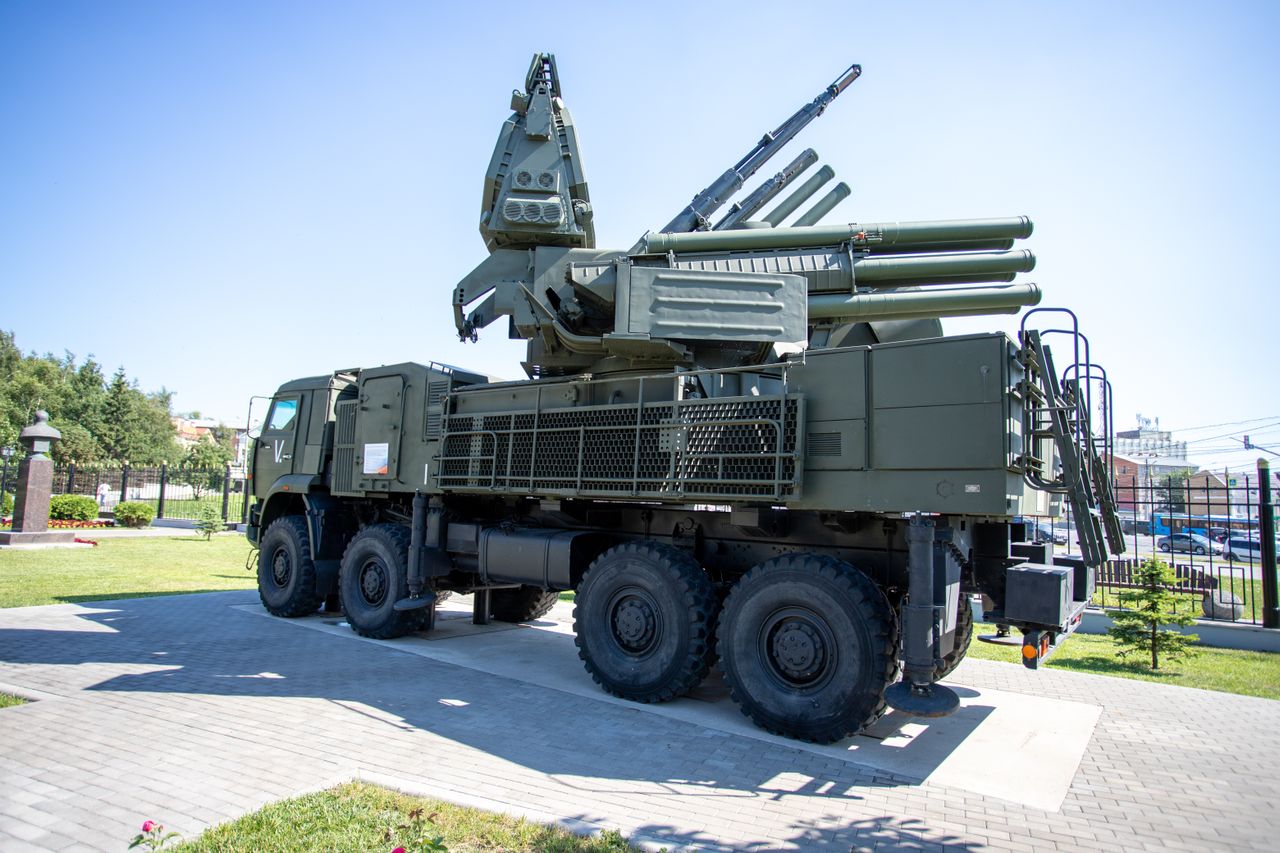
In a significant stride towards bolstering its national security architecture, India has unveiled Project Kusha, a sophisticated long-range surface-to-air missile system, dubbed a “game changer” by Defence Minister Rajnath Singh. During a recent press conference, Singh drew parallels between Project Kusha’s defensive capabilities and the legendary Govardhan Hill, underscoring its potential to shield the nation from diverse aerial threats.
Project Kusha, which has been developed by the Defence Research and Development Organisation (DRDO), marks a pivotal shift in India’s approach towards self-reliance in defense technology. This initiative mirrors the protective capabilities of advanced systems like the Russian S-400, and is a response to the increasing need for robust defense mechanisms amid rising global tensions. “Project Kusha is not just a milestone in Indian defense manufacturing but also a testament to our scientific prowess and commitment to national security,” Singh stated, highlighting the system’s successful deployment during Operation Sindoor.
The development of Project Kusha involved collaboration between various Indian defense industries and research institutions, leveraging cutting-edge technology and local expertise. The system is designed to detect, track, and engage multiple targets including aircraft, unmanned aerial vehicles (UAVs), and ballistic missiles, providing a comprehensive shield over critical infrastructures and key locations across India.
Experts believe that the induction of Project Kusha will significantly alter the strategic defense dynamics in the region. According to military analyst Commodore (retired) Anil Jai Singh, “The operationalization of Project Kusha enhances India’s deterrence capability and provides a quantum leap in our air defense coverage. It is a clear signal of India’s growing self-sufficiency in critical military technology.”
The successful implementation of Project Kusha during Operation Sindoor, where it intercepted hostile targets with high precision, has not only validated its operational efficacy but also boosted the confidence of the Indian Armed Forces. The operation underscored the system’s readiness and reliability, key factors that are set to promote its integration across various defense platforms in India.
Looking ahead, the government plans to increase investment in Project Kusha, expanding its deployment to cover more strategic locations nationwide. Furthermore, there are discussions about the potential for exports, which could serve as a significant boost to India’s defense manufacturing sector. “Enhancing our defense export capabilities remains a key pillar of our defense strategy, and Project Kusha stands as a prime candidate in this regard,” added Rajnath Singh.
As India continues to navigate a complex geopolitical landscape, the development and deployment of indigenous systems like Project Kusha not only enhance national security but also position India as a key player in the global defense industry.
Understanding India’s National Security Imperatives
India’s geopolitical environment is characterized by complex borders and regional power dynamics, particularly with neighbors like China and Pakistan. The recent border clashes with China and persistent tensions with Pakistan have highlighted the need for advanced defense systems. India’s strategic focus has shifted towards enhancing its air defense capabilities to safeguard its borders. Project Kusha, in this respect, represents a significant step forward in building a resilient national security system capable of deterring potential threats.
India’s Defense Modernization Efforts
Over the past decade, India has been actively involved in modernizing its military capabilities. This transformation is part of India’s broader strategy to transition from a predominantly import-dependent defense posture to a more self-reliant one. The development of systems like Project Kusha underlines India’s commitment to strengthening its indigenous defense industry, reducing dependency on foreign technologies, and fostering innovation within the country.
The Strategic Importance of Project Kusha
Project Kusha is often compared to advanced systems like the Russian S-400 due to its capabilities in air defense. Both systems are designed to counter a wide range of aerial threats over extensive distances. However, Project Kusha distinguishes itself by integrating more localized technology, which potentially offers better customization to meet specific regional security needs. This aspect is crucial for India as it navigates its unique strategic and geographical challenges.
Impact on Regional Security Dynamics
The deployment of Project Kusha is set to significantly affect the military balance in South Asia. By possessing a state-of-the-art air defense system, India not only enhances its own security but also changes the strategic calculations of its neighbors. This could lead to a new era of defense strategy in the region, where technological superiority is increasingly seen as a deterrent against conflicts and aggression.
Insights from Defence Minister Rajnath Singh
Defence Minister Rajnath Singh has been a pivotal figure in advancing India’s defense sector. His leadership is marked by a strong push for innovation and self-reliance. Singh’s vision for Project Kusha reflects a broader agenda to transform India into a global defense powerhouse. His frequent comparisons of Project Kusha to historical and cultural symbols underscore his approach to intertwine national pride with modern military advancements.
Future Policies and Projections
During various speeches and interviews, Rajnath Singh has outlined plans for expanding India’s defense capabilities through further investments and potential exports of systems like Project Kusha. These initiatives are expected to not only bolster India’s defense apparatus but also stimulate economic growth by enhancing the defense manufacturing sector. Singh’s forward-looking policies suggest a robust blueprint for India’s future role in international defense markets.
Project Kusha’s Role in Enhancing National Security
The effectiveness of Project Kusha was prominently displayed during Operation Sindoor, where it successfully intercepted multiple hostile targets. This operation not only demonstrated the system’s technical reliability but also its operational readiness under combat conditions. Such successful deployments validate the strategic importance of Project Kusha in strengthening India’s homeland security.
Integration into India’s Defense Network
Beyond its immediate tactical applications, Project Kusha is set to be integrated into a broader network of defense systems across India, enhancing interoperability and collective defensive capabilities. This integration supports a more coordinated defense strategy, leveraging advanced technologies to provide real-time data and comprehensive coverage against potential threats.



I conceive this internet site contains very excellent composed articles articles.