

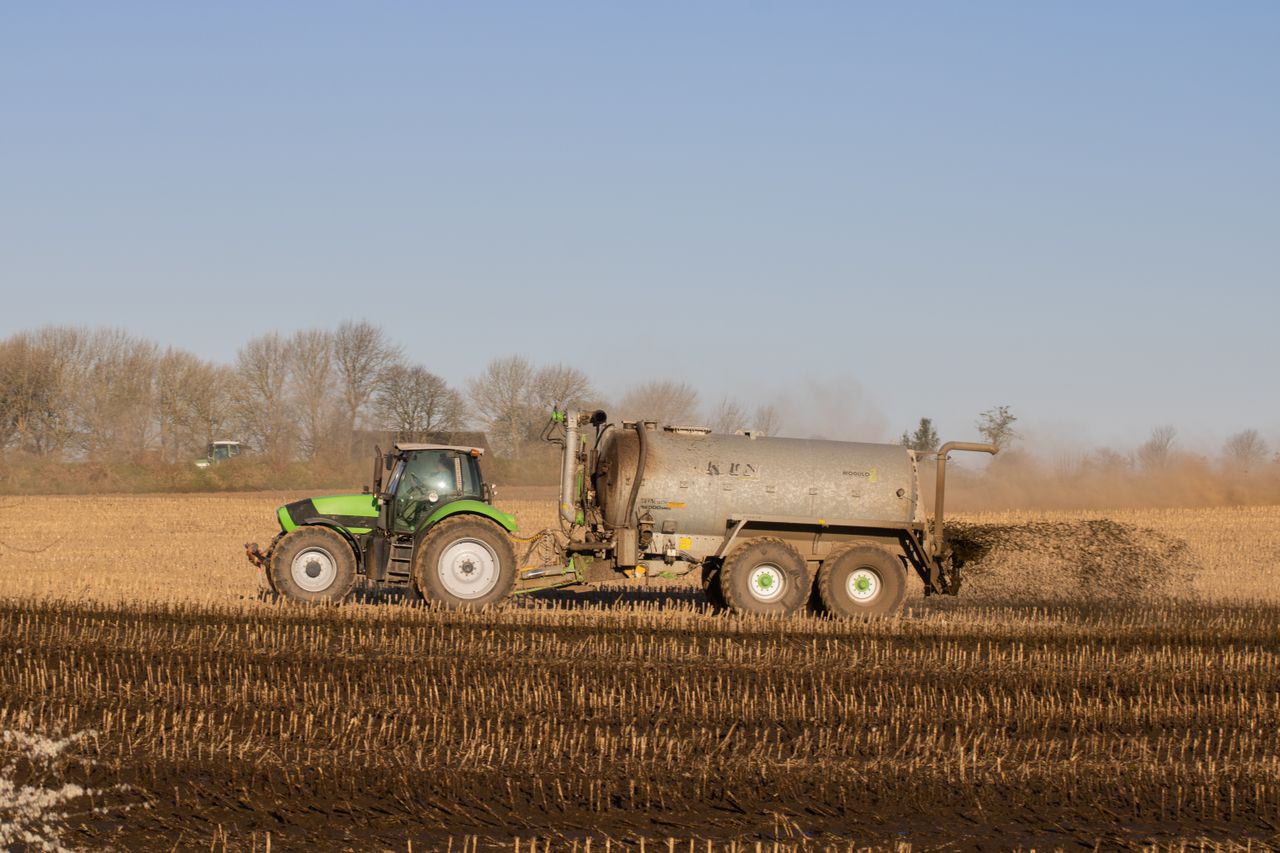
In a significant policy decision, the Indian government is poised to double the fertilizer subsidy for fiscal year 2027, aiming to buffer local farmers from the escalating costs attributed to global conflicts, particularly in regions critical to the supply of raw materials. According to senior officials in the Department of Agriculture and Farmers Welfare, the proposed increment seeks to stabilize the agricultural sector, which has been hit by soaring prices.
The necessity for a heightened subsidy comes as international prices of raw materials like phosphoric acid and ammonia—key ingredients in fertilizer production—have surged owing to ongoing geopolitical tensions. “The war has disrupted supply chains and inflated input costs dramatically, making it imperative to shield our farmers through subsidies,” explained Rajiv Kumar, a senior economist at the Ministry of Agriculture.
Despite the expected increase in subsidy expenses, the government is reportedly steering clear of submitting supplementary demands for grants this year. This decision underscores a strategic fiscal management approach amidst other rising expenditures, including those for fuel and food security. An official from the Ministry of Finance, who requested anonymity, stated, “The current economic framework accommodates the increased subsidy through reallocation of existing resources, rather than extending the fiscal deficit.”
Critics, however, argue that while the subsidy boost is a relief, it is but a temporary fix. “The government needs to forge long-term strategies to enhance agricultural productivity and reduce dependency on imports,” said Dr. Meena Iyer, a leading agricultural policy expert. She suggests that investments in domestic production of fertilizer ingredients could mitigate risks associated with global supply disruptions.
The government’s approach also includes ongoing negotiations with countries like Morocco and Jordan to secure long-term supply contracts for phosphates and potash at fixed prices. “Securing such agreements is crucial for price stability and will complement the subsidy by maintaining cost-effective supply channels,” noted Kumar.
As the fiscal year progresses, the implications of this policy will unfold, potentially setting a precedent for how emerging economies manage agricultural subsidies in the face of global economic pressures. The next steps involve close monitoring of global market trends and further refining of domestic policies to support sustainable agricultural growth.
The Indian Government’s Role in Agricultural Economics
The Indian government’s decision to double the fertilizer subsidy is part of a larger strategic framework designed to support the agricultural sector amidst global economic volatility. This policy shift reflects an acute awareness of the challenges faced by farmers and represents a commitment to ensuring food security and economic stability in rural areas. The approach taken by the government not only involves direct financial support but also encompasses broader economic management strategies, such as maintaining a balanced fiscal deficit and reallocation of existing financial resources.
The Impact and Strategies of Rajiv Kumar
Rajiv Kumar, as a senior economist within the Ministry of Agriculture, plays a pivotal role in shaping the economic policies affecting India’s agricultural landscape. His expertise in economic theory and practical policy application influences decisions on critical issues such as subsidies, taxation, and international trade agreements. Kumar’s strategic insights are crucial for developing policies that aim to insulate the agricultural sector from external shocks and ensure a sustainable growth trajectory.
Fiscal Year Planning and Considerations
The fiscal year 2027 holds significant importance due to the increased allocation of subsidies meant to stabilize fertilizer prices. The careful planning and resource management executed by the Ministry of Finance involve intricate adjustments to the national budget, ensuring that the increase in agricultural subsidies does not adversely impact other critical sectors. This delicate balancing act is essential for maintaining economic health and achieving the targeted goals of the fiscal policy without expanding the national deficit.
Global Supply of Raw Materials
The global supply chain for raw materials such as phosphoric acid and ammonia has become increasingly volatile due to geopolitical conflicts and tensions. These materials are essential for the production of fertilizers, and disruptions in their supply can lead to significant increases in prices. The Indian government’s strategy to enhance fertilizer subsidies is a direct response to these challenges, aimed at mitigating the impact on local farmers and ensuring that agricultural productivity is not hampered by external economic pressures.
Strategic Initiatives by the Ministry of Agriculture
Under the guidance of the Ministry of Agriculture, India is actively seeking to secure long-term supply contracts with countries rich in phosphates and potash. These agreements are intended to stabilize prices and ensure a consistent supply chain. Additionally, the ministry is exploring options to boost domestic production of fertilizer ingredients, which would reduce dependency on imports and enhance self-sufficiency. These initiatives are part of a broader strategy to build resilience in the agricultural sector and foster sustainable development.