

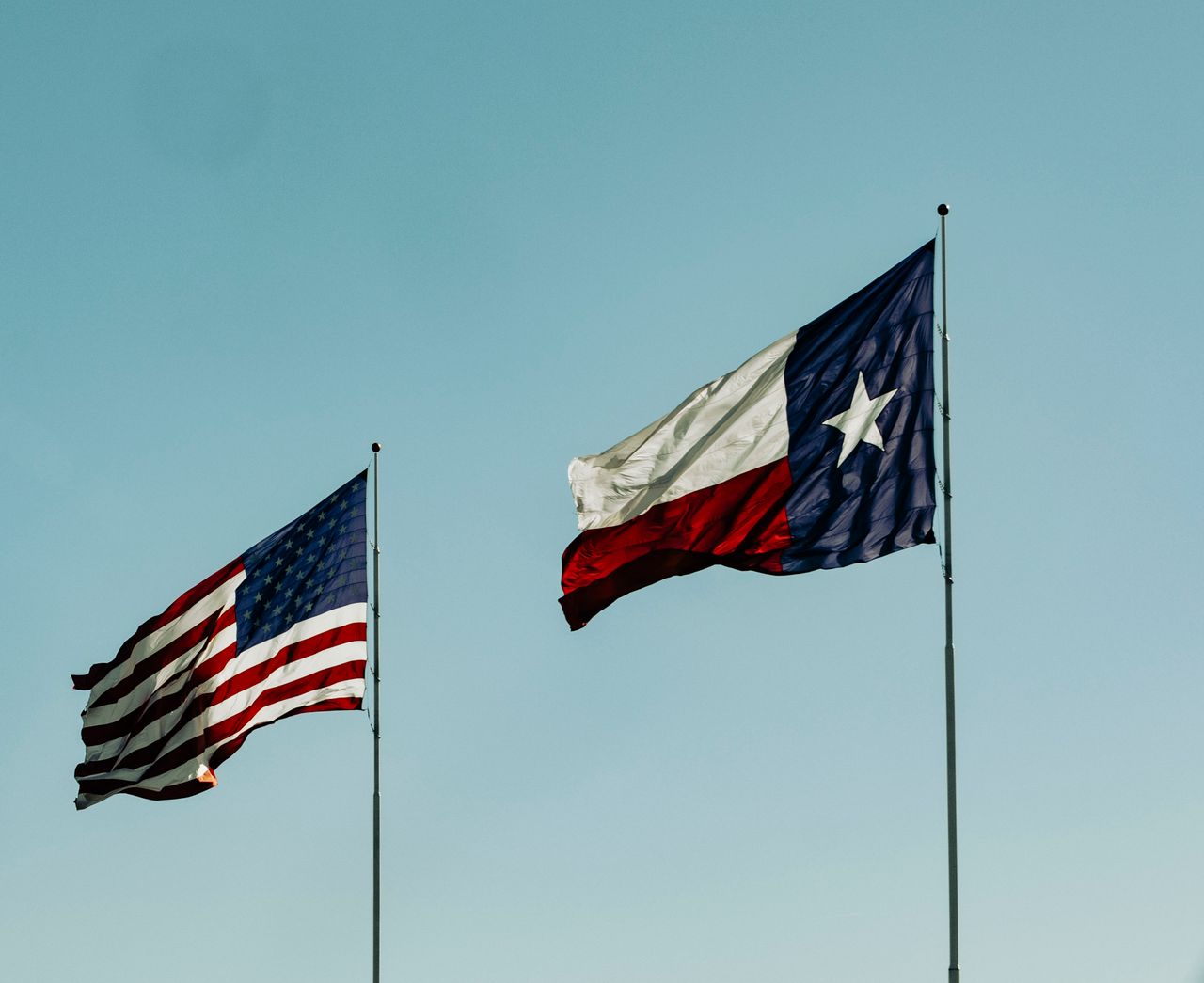
In a surprising statement that has sparked discussions across social media and news platforms, an American CEO, during a recent public address in Dallas, Texas, claimed that “Indians commit zero crime,” further labelling Texas as “the safest place to live.” This assertion was made last Thursday at a community gathering aimed at enhancing business relations between Texas and Indian companies. The CEO, whose remarks have since gone viral, praised the Indian community for their contributions to local economies and societal values.
The statement, while meant to underscore the positive impact of the Indian diaspora in Texas, has been met with a mix of support and criticism. Critics argue that the CEO’s blanket statement glosses over the complexities of crime statistics and cultural contributions by other communities. Conversely, supporters highlight it as a recognition of the Indian community’s hard work and law-abiding nature.
These comments come at a time when Texas has been in the spotlight for its business-friendly policies attracting global companies, including numerous tech firms from India. The CEO, who runs a major tech corporation in Austin, has been instrumental in fostering Indo-Texas business collaborations, which have reportedly brought significant economic growth to the area.
As the story unfolds, it’s clear that the implications of such statements are vast, touching on issues of race, immigration, and the factual accuracy of crime reporting. This article seeks to unpack the events, reactions, and the broader societal context surrounding this controversial claim.
Impact of Indian Community in Texas
The Indian community in Texas has been a powerhouse of economic development, particularly in sectors like technology, healthcare, and education. Cities like Houston and Austin have seen a rise in startups and investments from Indian entrepreneurs. The CEO’s statement at the Dallas event highlighted these contributions, noting that Indian-led companies in Texas not only create jobs but also foster innovation and technological advancement.
Cultural and Social Influence
Beyond economics, the cultural impact of the Indian community in Texas is profound. Festivals such as Diwali and Holi are celebrated with great enthusiasm across various Texan cities, promoting multicultural understanding and diversity. Indian cuisine, music, and cinema have also seen increased popularity, further enriching the Texan cultural landscape.
Examining Crime Statistics and Community Safety
The claim that “Indians commit zero crime” has raised questions about the accuracy and implications of generalizing crime statistics by ethnicity. Experts caution against such sweeping statements, which can misrepresent reality and potentially lead to complacency in addressing crime within any community. Accurate crime reporting is crucial for fair law enforcement and public understanding.
Safety in Texas
While Texas is often celebrated for its low crime rates in many regions, the perception of safety can vary widely by area and demographic factors. The CEO’s remarks have triggered a broader discussion on how safety is measured and perceived in diverse communities across Texas. It’s important for such discussions to be informed by comprehensive data and inclusive of all communities to ensure a balanced view of public safety.
Reactions and Repercussions
The Indian community, while appreciative of the positive recognition, has expressed mixed feelings about the CEO’s comments. Some community leaders have urged for a balanced approach that acknowledges the contributions of all ethnic groups equally. They stress the importance of unity and caution against any narratives that might isolate or highlight one community disproportionately.
Broader Societal Impact
The incident has sparked a wider debate about race, ethnicity, and immigration in the United States. Social commentators and academics are discussing the potential for such statements to influence public opinion and policy. It also opens up conversations about the role of business leaders in shaping societal views beyond their corporate responsibilities.
As this story develops, it will be essential to monitor the consequences of such high-profile statements on community relations and business practices in Texas and beyond. The intersection of business, social commentary, and community dynamics continues to be a critical point of discussion in an increasingly interconnected world.