

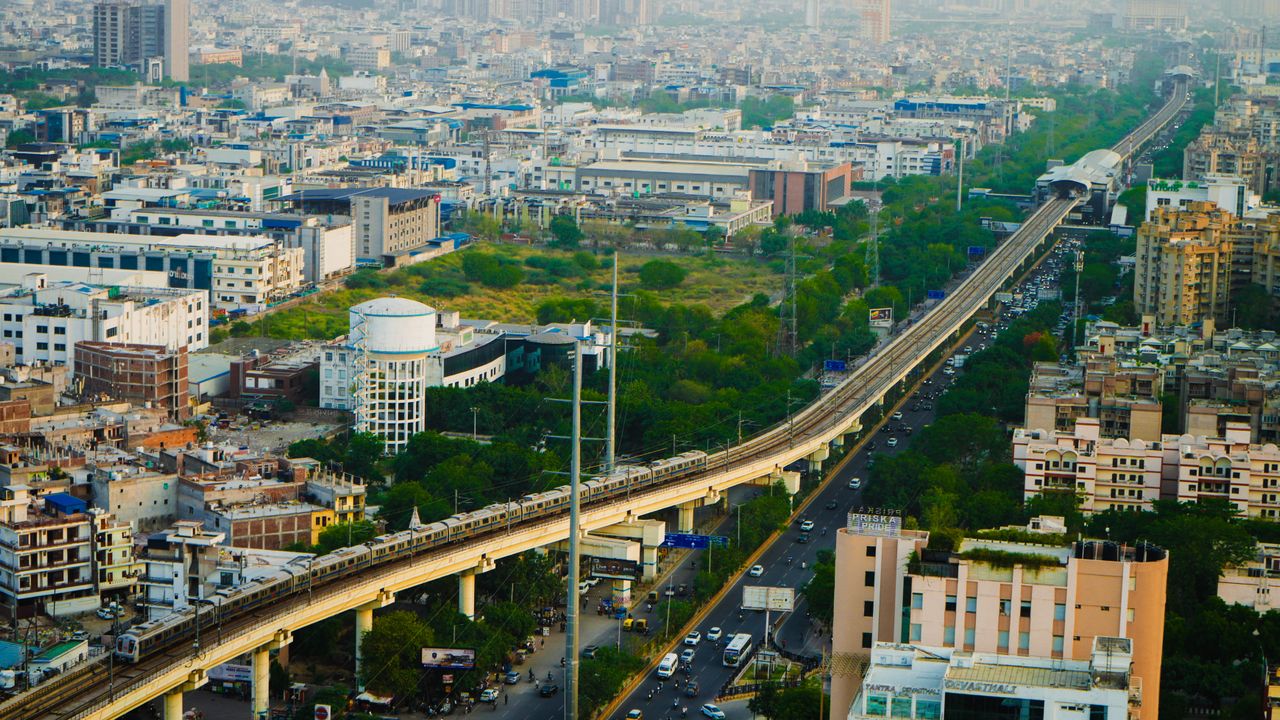
The Union Cabinet has officially approved Phase 2A of the Ahmedabad Metro Rail Project, earmarking Rs 2,169.04 crore for a new corridor that promises to enhance connectivity by linking Koteshwar Road to Ahmedabad Airport. This 6.032-kilometer stretch will include five additional stations, further expanding the city’s metro network to a total of 77.63 kilometers. This development is not only expected to improve local transportation but also to bolster the city’s infrastructure in anticipation of hosting major sports events.
The approved extension aims to facilitate easier and faster travel for both residents and visitors, reducing traffic congestion and promoting the use of public transportation. “The new metro line marks a significant milestone in Ahmedabad’s urban development. It will not only improve the daily commute for thousands but also boost economic activities around the new stations,” explained a spokesperson from the Ministry of Housing and Urban Affairs. The project also aligns with broader environmental goals by aiming to reduce carbon emissions and promoting sustainable urban transport.
Construction of the new corridor is anticipated to create numerous jobs, thus benefiting the local economy. “The metro expansion is expected to generate over 1,000 jobs during the construction phase alone,” stated the project director. Additionally, local businesses are likely to experience growth due to increased accessibility and customer traffic, which typically accompanies improved transport links.
The planning and design of the new metro line have considered future needs and integration with existing transport systems. Advanced technologies will be used in construction and operations to ensure safety and efficiency. “Integration with current transport modes and the application of smart technologies are critical components of the metro expansion project,” mentioned an urban planning expert involved in the project.
Looking ahead, the next steps for the Ahmedabad Metro expansion include the finalization of detailed project reports and the commencement of the tendering process for construction contracts. The project completion is targeted before the hosting of major upcoming sports events, although specific timelines have not yet been announced. The expansion not only promises to enhance urban mobility but also positions Ahmedabad as a model for sustainable and integrated urban transport solutions in India.
The Project Overview
The Phase 2A of the Ahmedabad Metro Rail Project is designed to bridge a critical connectivity gap between Koteshwar Road and Ahmedabad Airport. This corridor is projected to dramatically cut down travel time for airport commuters, facilitate smoother cargo transport, and decongest major traffic junctions. The anticipated increase in metro ridership due to this expansion is expected to lessen the reliance on private vehicles, thereby substantially lowering urban air pollution. The strategic importance of this route, given its proximity to both residential and industrial zones, amplifies its potential impact on urban mobility and environmental sustainability.
The New Metro Line
The introduction of the new metro line will see the deployment of cutting-edge technologies aimed at enhancing operational efficiency and passenger safety. State-of-the-art signaling systems, automated fare collection, and real-time passenger information systems are planned. Each station along the new line will be equipped with advanced security features, including surveillance cameras and emergency response mechanisms, to ensure a safe commuting environment.
Expanding the Metro Network
The metro expansion is not just an infrastructure project but a significant economic catalyst. By providing over 1,000 construction jobs, it injects vitality into the local labor market. Post-completion, the enhanced transport links are expected to boost retail, hospitality, and other service sectors by improving access and reducing travel times. Socially, the project aims to make public transport an accessible option for all segments of society, hence promoting social equity. The increase in metro accessibility can particularly benefit lower-income neighborhoods by providing reliable transportation to employment hubs.
The Ministry of Housing and Urban Affairs
The Ministry of Housing and Urban Affairs (MoHUA) plays a pivotal role in urban planning and development across India. In the case of the Ahmedabad Metro expansion, MoHUA has been instrumental in aligning the project with national urban transport policies that emphasize sustainability and reduced carbon footprints. Future plans under the Ministry’s purview include scaling up public transport infrastructures in other Indian cities following the Ahmedabad model, thus replicating its anticipated success in fostering urban resilience and environmental consciousness.
Urban Development in India
Urban development in India faces the dual challenges of rapid urbanization and the urgent need for sustainable infrastructure solutions. The Ahmedabad Metro expansion reflects a broader trend where Indian cities are increasingly turning to high-capacity public transport systems to address these issues. However, challenges such as land acquisition, financial overruns, and integrating technology with user behavior remain. Addressing these effectively requires coordinated efforts between government bodies, private stakeholders, and the community.