

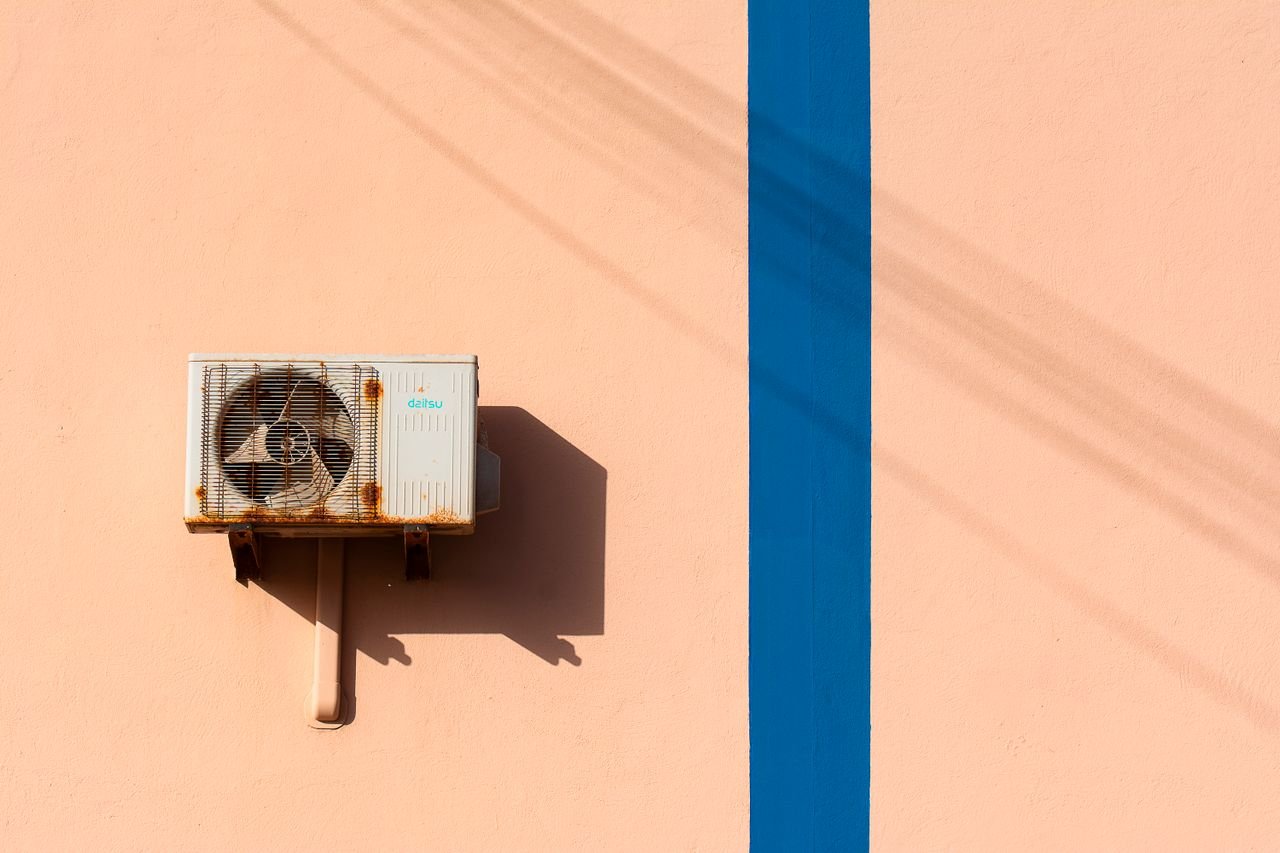
In a recent and widely discussed incident, a tenant’s decision to invest ₹10,000 in an air conditioner for their rented residence has sparked a heated debate about the financial dynamics between landlords and tenants. The question at the heart of this controversy is whether the tenant can reclaim the amount spent from the landlord. The incident occurred in Mumbai, a city known for its sweltering heat, especially during the summer months.
The tenant, after enduring several months of uncomfortable temperatures, decided to install an air conditioning unit at their own expense. As the lease renewal approached, the landlord announced a significant rent increase, which the tenant believes is unjustified and a direct consequence of the home improvement made at their expense. This has led to a broader conversation about the rights and responsibilities of tenants and landlords in such scenarios.
The online debate has brought to light various perspectives, with some siding with the tenant’s right to a comfortable living environment, while others argue that any permanent enhancements to the property should be financially borne by the property owner. Legal experts suggest that the outcome of such disputes heavily depends on the terms outlined in the lease agreement, and the laws applicable in the state where the property is located.
The Legal Landscape of Tenant Improvements
Lease agreements are crucial in determining the responsibility for home improvements in rented properties. Typically, these agreements should clearly state who bears the cost of such enhancements. In the absence of explicit terms, tenants may assume they are not entitled to reimbursement for improvements made during their tenancy.
State Laws and Tenant Rights
Different states in India have varying laws concerning tenant rights and landlord responsibilities. In many cases, tenants are protected under local rental laws that prevent landlords from increasing rent arbitrarily. However, these laws may not specifically cover reimbursement for tenant-funded improvements unless previously agreed upon.
Economic Implications for Tenants and Landlords
Improvements made by tenants can inadvertently lead to increased property value, which might prompt landlords to raise rents. This scenario often leads to disputes, especially if the tenants feel their investment should grant them some immunity from steep rental hikes.
Investment Recovery Options
Tenants who have invested in property improvements have a few avenues to recover their costs, such as negotiating with landlords for rent reductions or adjustments. However, the success of such negotiations largely depends on the landlord’s disposition and the legal framework governing rental agreements.
Social and Ethical Considerations
There is an ongoing debate about the extent to which tenants should contribute to the maintenance and improvement of rental properties. While some argue that minor repairs and maintenance should be the tenant’s responsibility, major upgrades like installing an air conditioning system could arguably be the landlord’s responsibility.
The Role of Fair Play in Rental Agreements
Ethically, landlords should consider the contributions tenants make towards maintaining or improving the property. Practices such as acknowledging these improvements by not increasing rent disproportionately could foster better landlord-tenant relationships and encourage tenants to take good care of the property during their tenancy.
This case from Mumbai not only highlights the complexities involved in landlord-tenant relationships but also underscores the need for clear communication and fair practices in leasing agreements. As the debate continues online, it serves as a reminder of the intricate balance between tenant comfort and landlord rights, urging a closer look at existing laws and potentially paving the way for new regulations that protect both parties’ interests.