

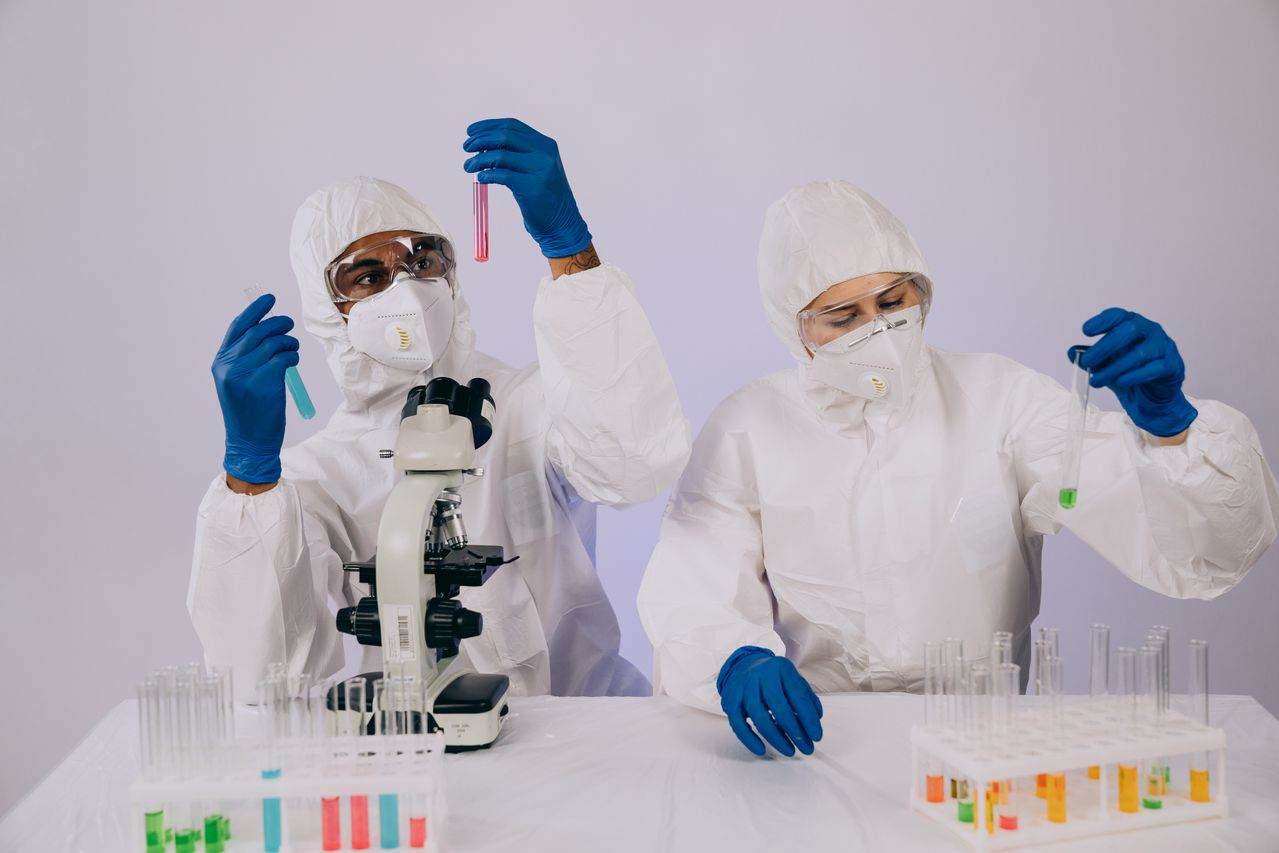
In a recent statement, former U.S. Representative Tulsi Gabbard claimed that the United States has funded over 120 biological laboratories in more than 30 countries worldwide. This assertion raises significant questions about the extent and purpose of the U.S. involvement in such facilities, which are often stated to be part of global health and safety research initiatives. The statement was made during a televised interview, where Gabbard expressed concerns over the transparency and security of these biolabs.
The mention of U.S. funding for overseas biolabs is not new, and it has been a subject of scrutiny and conspiracy theories in the past. The U.S. government has often described the support of such laboratories as part of its commitment to combat global health threats by enhancing the scientific capabilities of partner nations. However, critics like Gabbard argue that these biolabs could pose a biosecurity risk, and lack sufficient oversight and transparency.
While the U.S. Department of Defense has acknowledged the existence of collaborative biological research facilities in various countries, it maintains that their purpose is primarily to protect both the U.S. and the partner nations from a wide range of infectious diseases. The department asserts that these laboratories operate in strict compliance with international law and are open to inspection by host countries.
The debate over these biolabs has been inflamed by geopolitical tensions, particularly between the U.S. and countries like Russia and China, who have voiced their concerns about the potential military applications of research conducted in these facilities. The issue is complex, involving aspects of international law, sovereignty, public health, and global security.
Overview of U.S. Funded Biolabs
The U.S. supports biolabs in over 30 countries, including those in Eastern Europe, the Middle East, Southeast Asia, and Africa. These labs are part of an effort to detect and respond to bioterrorism and epidemic threats. The collaboration typically involves sharing of technology, resources, and expertise necessary to diagnose and research infectious diseases.
Funding and Oversight
Funding for these labs is primarily provided through the Defense Threat Reduction Agency (DTRA) under the U.S. Department of Defense. The stated goal of this funding is to reduce the threat of biological weapons proliferation and emerging infectious diseases. Oversight is claimed to be stringent, with host countries having significant control and access to the facilities. However, the exact figures and operational details often remain classified, contributing to public skepticism and concern.
Scientific and Ethical Considerations
The research focus of these laboratories is reportedly on pathogens that can cause serious public health risks. This involves both surveillance of disease outbreaks and research into vaccines and treatments. The labs are equipped with advanced technology to help in quickly identifying outbreaks which could lead to pandemics.
Controversies and Conspiracy Theories
Despite official assurances, these biolabs have been subject to various conspiracy theories and allegations of misconduct. Critics argue that the lack of transparency regarding the operations of these labs fuels distrust and speculation about their true purposes, including potential military applications. This has led to repeated calls from various stakeholders for greater openness and international oversight.
Geopolitical Implications
The existence and operation of U.S.-funded biolabs in foreign countries have significant implications for international relations. Russia and China, in particular, have expressed concerns about the proximity of such labs to their borders and the potential for them to be used in biological warfare. This adds a layer of complexity to international diplomacy and global security discussions.
U.S. Defense and Security Strategy
From a U.S. perspective, the funding and maintenance of overseas biolabs are seen as critical components of its national security strategy. By aiding in the detection and mitigation of biological threats anywhere in the world, the U.S. positions itself as a leader in global health security, potentially preventing outbreaks from reaching its shores.
While the debate continues with opinions divided, the existence of these labs plays a pivotal role in the ongoing discussions about biosecurity, public health, and the ethical implications of scientific research in the biological domain. With increased global attention on diseases like COVID-19, the function and management of these international labs remain a top priority in global public health and safety strategies.