

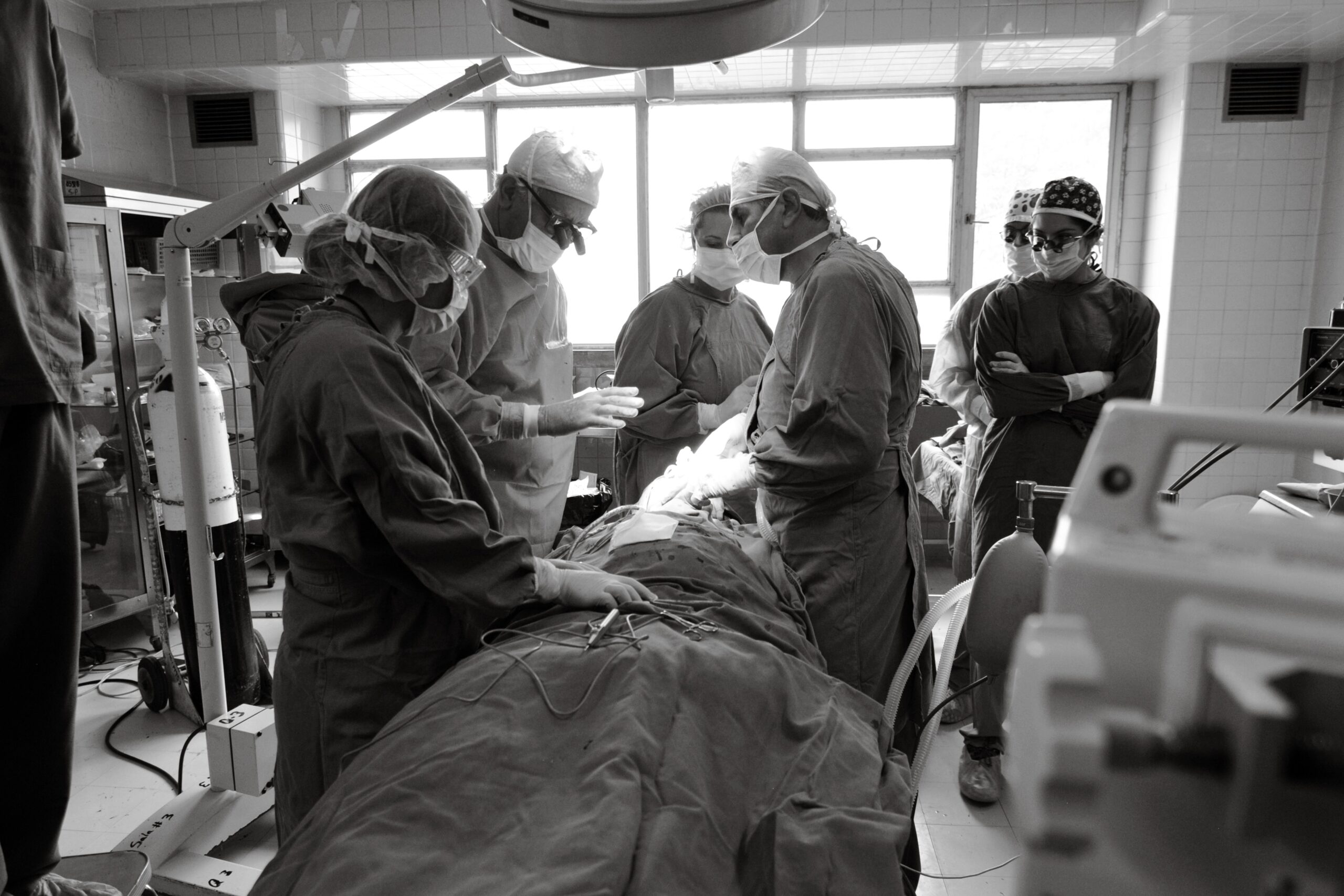
An undertrial accused in the 2008 Bengaluru serial blasts case has died after a prolonged illness while in custody, officials confirmed on Monday. The deceased was identified as one of the key suspects held in connection with the series of bomb explosions that rocked the tech city of Bengaluru, resulting in the death of one person and injuries to several others. The suspect, aged 45, was under medical treatment at a government hospital in Bengaluru where he succumbed to his illness late Sunday night.
The Bengaluru serial blasts, which occurred on July 25, 2008, involved a series of nine low-intensity bomb explosions that targeted the bustling streets of the city within a span of 15 minutes. This orchestrated act of terrorism created a wave of panic and highlighted significant lapses in urban security measures. The case has since been under investigation with multiple arrests over the years, drawing continuous media attention and public scrutiny.
The deceased was arrested a few weeks after the blasts and had been in judicial custody awaiting trial. Over the years, his health had reportedly deteriorated, leading to multiple hospitalisations. The exact nature of his illness has not been disclosed by the authorities. His death raises questions about the health and welfare of undertrial prisoners, particularly those involved in high-profile cases that extend over long periods.
Authorities have stated that an inquiry will be conducted to determine the circumstances leading to his death, including the quality of medical care received during his custody. The outcome of this inquiry is awaited to ensure accountability and transparency in the handling of prisoners with serious health issues.
Impact of the Bengaluru Serial Blasts
Following the Bengaluru blasts, there was a significant overhaul in the city’s security and surveillance measures. The introduction of more rigorous checks and the installation of surveillance cameras in public areas were some of the immediate steps taken. Additionally, there was a push for more coordinated efforts among various intelligence and security agencies to prevent such incidents in the future.
Legal and Judicial Proceedings
The legal proceedings related to the Bengaluru blasts have been extensive and complex, involving multiple accused and a slew of charges ranging from conspiracy to wage war against the country to murder. The trial has been marked by delays, often due to legal petitions, the slow pace of judicial processes, and the logistical challenges of handling a high-security case.
The Health and Rights of Undertrial Prisoners
Undertrial prisoners, unlike convicted prisoners, are those who have been detained by law enforcement but have not yet been convicted of the charges against them. The rights of these individuals to adequate medical care and humane treatment are mandated by law. However, there are often challenges related to overcrowding in prisons, lack of sufficient medical facilities, and the slow pace of legal proceedings, which can exacerbate health issues among prisoners.
Legal Recourse and Judicial Oversight
The legal framework in India provides mechanisms for judicial oversight over the treatment of undertrial prisoners. Courts have the authority to order medical examinations and ensure that the rights of detainees are being respected. Nonetheless, the implementation of these provisions is a challenging task, and the effectiveness varies significantly across different jurisdictions.
Public and Media Scrutiny in High-Profile Cases
The media plays a crucial role in shaping public perception of legal cases, particularly those involving acts of terrorism. Continuous coverage and analysis can help ensure transparency and keep the judicial processes in the public eye, potentially aiding in faster legal proceedings. However, there is also the risk of media trials which can influence public opinion and potentially impact the fairness of the actual trial.
Public Interest and Security Concerns
High-profile cases like the Bengaluru serial blasts draw significant public interest due to the nature of the crime and the implications for public security. The public’s demand for quick and effective justice often puts pressure on the authorities to act swiftly. This can have both positive and negative effects on the handling of such sensitive cases, impacting everything from investigative processes to judicial outcomes.
In conclusion, the death of the undertrial accused in the Bengaluru serial blasts case opens up several points of discussion regarding the treatment of detainees, especially those with health issues, in the judicial system. It also reiterates the need for ongoing reforms in prison healthcare and the handling of high-profile cases, ensuring that justice is served without compromising on the rights and welfare of the accused. As the city continues to remember the events of 2008, the focus remains on securing justice and preventing future tragedies.