

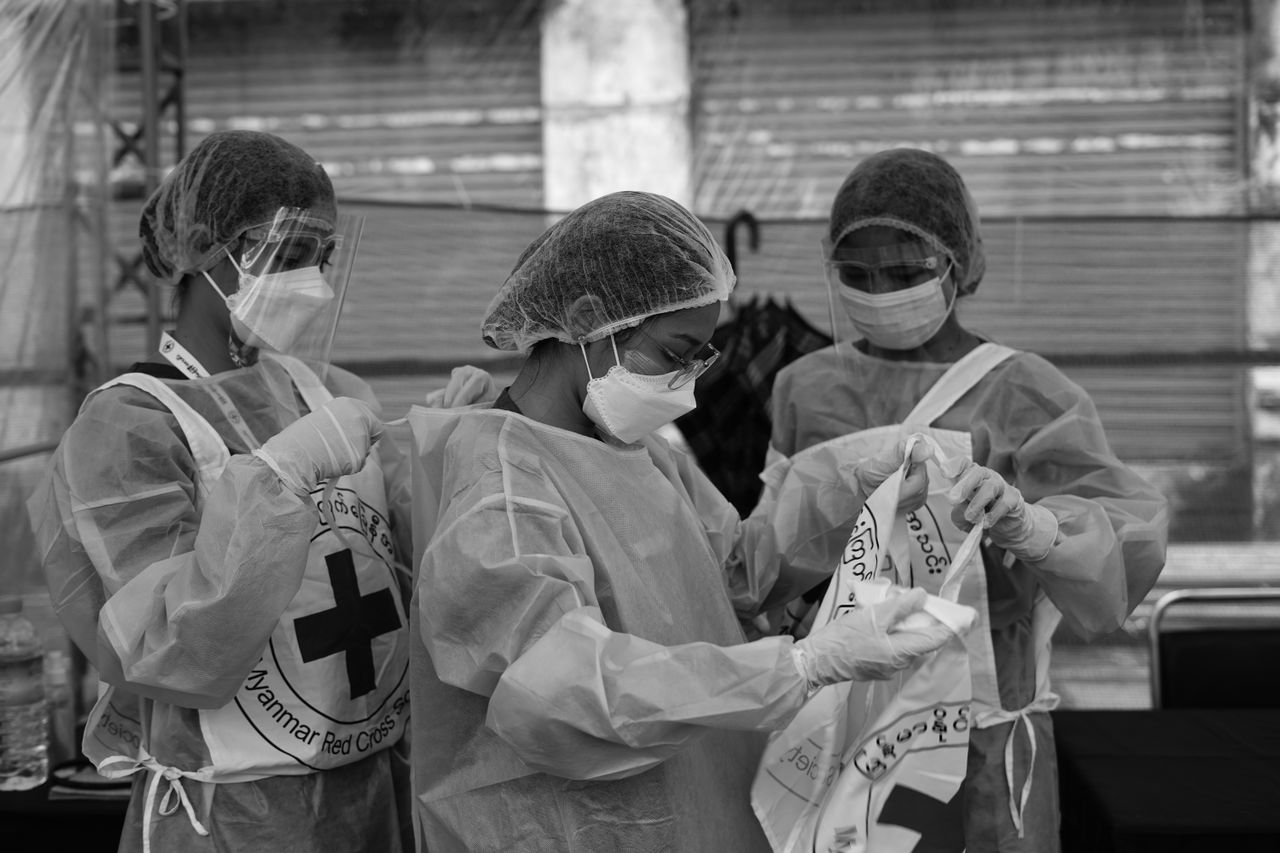
The Democratic Republic of Congo is facing a severe Ebola outbreak that could potentially last up to a year, according to a recent statement from the International Federation of Red Cross and Red Crescent Societies (IFRC). Bruno Michon, the IFRC’s operations manager for the Ebola outbreak, expressed concerns about the trajectory of the disease, stating, “The peak is, I think, not beyond us, but in front of us; we are afraid that this could last one year before ending the outbreak.”
This alarming revelation comes as the Central African nation grapples with the resurgence of one of the most virulent diseases known to humankind. The outbreak was first declared several weeks ago and has since seen an escalating number of cases. Health authorities and international organisations are deeply concerned about the spread of the virus, which has historically led to high fatality rates.
Located in a region already strained by socio-economic challenges and ongoing conflicts, the Democratic Republic of Congo faces significant obstacles in containing the spread of the Ebola virus. The IFRC, along with local health ministries and international partners, is mobilising resources and personnel to tackle the outbreak. However, the complexities of the region’s geopolitical landscape pose additional challenges to these efforts.
Impact and Challenges of the Current Ebola Outbreak
The current Ebola outbreak in the Democratic Republic of Congo highlights the persistent threat of this deadly virus in regions with fragile health systems. Despite advances in vaccine development and disease control techniques, the socio-economic and political instability in the area makes it difficult to implement effective containment strategies. The health infrastructure in many affected areas remains underfunded and understaffed, which complicates efforts to manage and eventually halt the spread of the virus.
Challenges in Containment Efforts
Containing an Ebola outbreak requires coordinated efforts that include community engagement, effective surveillance, and prompt medical response. However, in conflict-affected regions of the DRC, mistrust in authorities and attacks on health workers severely hamper these activities. The mobility of the population and the porous nature of borders in the region further complicate the tracking and management of new cases, leading to wider spread and more difficulty in containment.
Response Strategies and International Support
In response to the outbreak, the IFRC, along with the DRC’s health ministry and other international health organisations, has been actively working to implement a robust response plan. This includes the deployment of additional health personnel and the establishment of specialised treatment centres equipped to handle Ebola cases. International donors and health agencies have also pledged support, providing funding, vaccines, and medical supplies crucial for outbreak control.
Advancements in Medical Interventions
Significant advancements in medical science, such as the development of an effective Ebola vaccine, have provided new tools to fight the outbreak. Vaccination campaigns are crucial in preventing the spread of the disease to new areas and in protecting healthcare workers. Treatment protocols have also improved, increasing the survival rates of those infected. However, the effectiveness of these interventions depends largely on the ability to administer them widely and promptly within the affected communities.
Long-term Implications and Preparedness
The Ebola outbreak not only poses a direct health threat but also has severe long-term socio-economic impacts. The fear of contagion reduces community interactions and disrupts normal social and economic activities, leading to economic downturns and increased poverty in already vulnerable populations. Additionally, the focus on Ebola can divert resources from other critical health services, further exacerbating health issues in the region.
Improving Future Preparedness
This outbreak underscores the urgent need for improved preparedness and stronger health systems in the region. Investing in healthcare infrastructure, enhancing disease surveillance capabilities, and building community trust in health services are critical steps towards mitigating the impact of future outbreaks. International collaboration and sustained funding are imperative to support these efforts and to build resilient health systems capable of withstanding the challenges posed by Ebola and other emerging infectious diseases.
In conclusion, while the current Ebola outbreak in the Democratic Republic of Congo presents significant challenges, it also offers critical lessons on the importance of rapid response, international cooperation, and sustained investment in health infrastructure. The world must pay heed, not only to bring this outbreak under control but also to prevent future crises of a similar nature.