
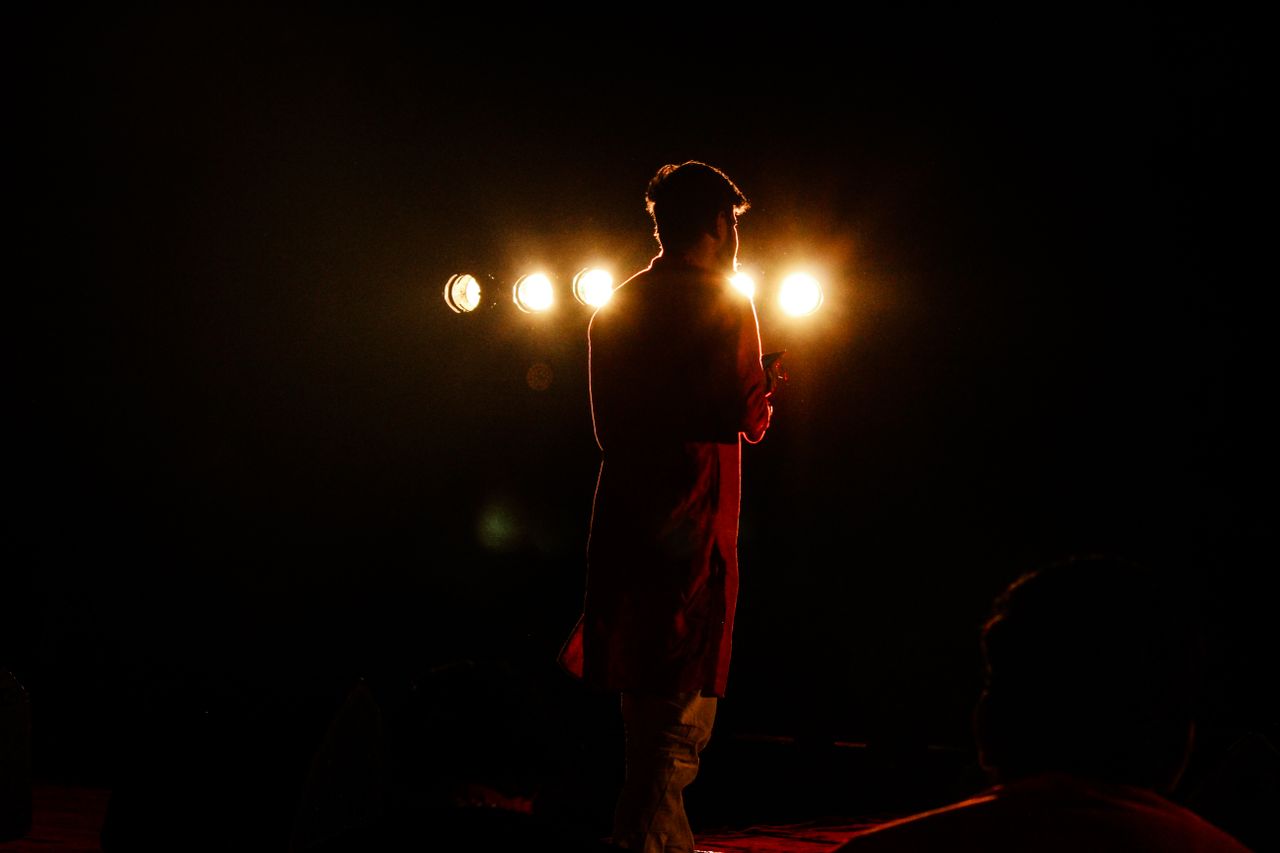
In a surprising turn of events, the Mayor of Mumbai has called for a complete ban on stand-up comedy shows in the city. This bold statement was made following a controversial performance that allegedly contained derogatory remarks about certain communities. The exact details of the incident, including the date and location of the comedy show, have not been disclosed. However, the call for a ban has sparked a heated debate among the citizens and the entertainment industry about freedom of expression and the sensitivity towards cultural values.
The Mayor, in his statement, expressed concerns over the content of stand-up comedy that, according to him, often crosses the line from humour to disrespect. He emphasized that while creative freedom is important, it should not come at the cost of social harmony and public sentiment. The proposed ban has led to an outcry among local comedians and performers who feel that such measures could stifle artistic expression and have far-reaching implications on the comedy scene in Mumbai.
The city of Mumbai, known for its vibrant cultural scene, has been a hub for stand-up comedy with numerous venues hosting performances from both local and international comedians. The Mayor’s call for a ban, therefore, affects a significant sector of the city’s entertainment industry and raises questions about the balance between censorship and freedom of speech.
This news comes at a time when societal sensitivities are at a peak, and the role of comedians in addressing or exacerbating societal issues is being hotly debated worldwide. The Mayor’s stance reflects a growing concern among officials about the potential for comedy to incite discord or disrespect across different sections of society.
The Impact of Banning Stand-up Comedy in Mumbai
The proposed ban could have a profound impact on Mumbai’s entertainment sector, particularly affecting venues that regularly host stand-up performances. These establishments rely heavily on comedy shows to attract crowds and generate revenue. A ban could not only diminish their earnings but also limit cultural offerings for the city’s residents and visitors. Furthermore, local comedians and performers could face significant challenges in finding platforms to showcase their work, potentially stifling new talent and curtailing career opportunities in the field of comedy.
Public and Performer Reactions
The reaction from the public and the comedians has been one of concern and disappointment. Many argue that comedy, by nature, involves a level of satire and critique and should be protected under freedom of speech. Some local comedians have taken to social media to voice their opposition to the ban, citing concerns over creative freedom and the right to entertain and provoke thought through comedy. The public’s response has been mixed, with some supporting the need for sensitivity in performances, while others see the proposed ban as an overreach by the city government that could set a concerning precedent for censorship.
Censorship vs Freedom of Speech
The debate over the proposed ban also brings up important legal and ethical questions regarding censorship and freedom of speech. India’s constitution provides for freedom of expression, but it also allows for reasonable restrictions in the interests of the sovereignty and integrity of India, the security of the state, friendly relations with foreign states, public order, decency, or morality or in relation to contempt of court, defamation or incitement to an offence. The challenge lies in determining what constitutes acceptable satire and where it crosses the line into offensive content that could harm public order or morality.
Global Perspectives on Comedy and Censorship
Internationally, the balance between censorship and freedom of speech in comedy varies widely. In some countries, comedians enjoy a broad leeway to critique politics, society, and various sensitivities, often protected under free speech laws. In contrast, others impose stricter regulations to maintain public decorum and prevent unrest. The situation in Mumbai could prompt a reevaluation of how such cultural expressions are handled in India and contribute to broader discussions on the global stage about the limits and responsibilities of comedians.
Historical Context and Previous Incidents
India has a rich tradition of satire and humour, with historical precedents in folk theatre and regional arts that use comedy as a form to critique and reflect societal norms and issues. However, the contemporary form of stand-up comedy, influenced by Western styles, sometimes clashes with traditional and local sensibilities. This cultural clash could be a contributing factor to the sensitivity around the content of comedy shows and the varied reactions from different demographics within the city.
Comparative Incidents and Outcomes
Previous instances in other cities and countries, where comedy shows have led to public outrage or legal action, offer some perspective on potential outcomes and resolutions. Learning from these incidents could help in crafting a nuanced approach that respects both artistic freedom and cultural sensitivities. The Mumbai Mayor’s proposal could either lead to stricter content guidelines or, alternatively, initiate a dialogue among stakeholders to define acceptable boundaries in comedy.
The resolution of this issue will likely require careful consideration of the diverse views and values of Mumbai’s populace, balancing the need for respect and sensitivity with the imperative to uphold freedom of expression. The coming weeks are crucial as the city administration engages with various stakeholders to chart a forward path in this contentious debate.