

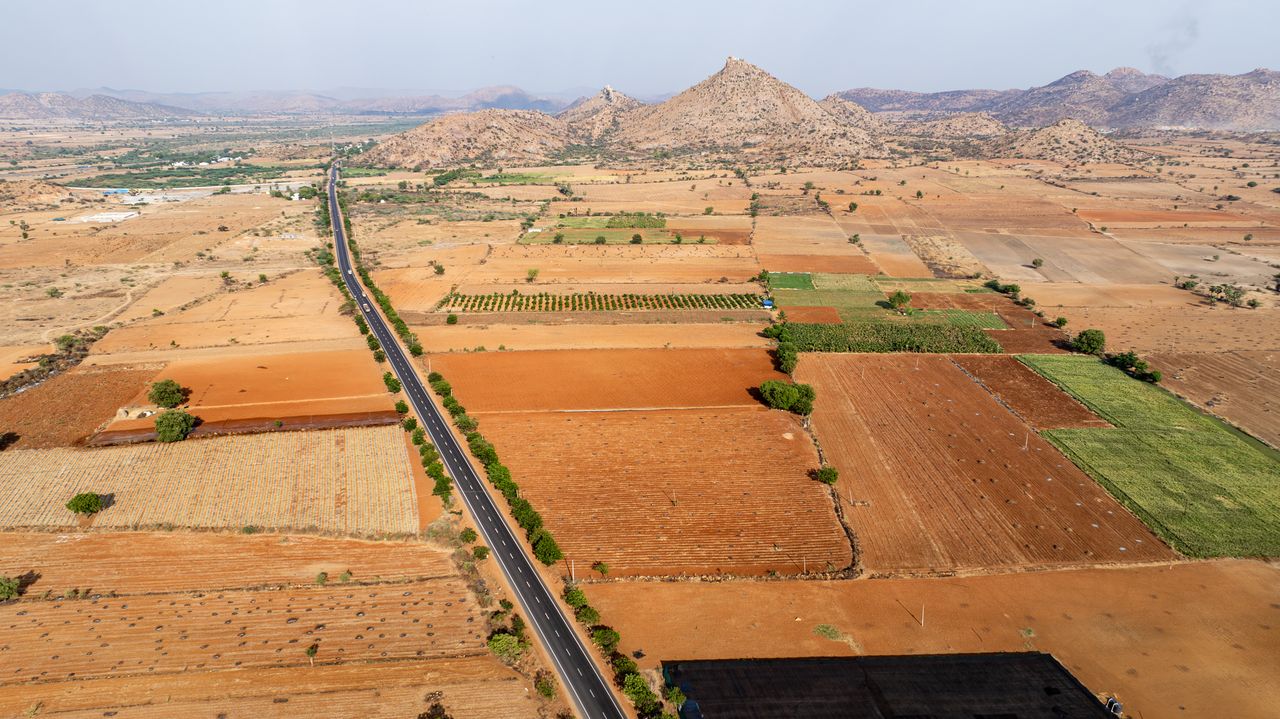
In a significant development concerning the compensation dispute for a sandalwood farmer, the National Highways Authority of India (NHAI) has reported that the necessary compensation funds have been deposited with the court. This case, stemming from land acquisition for a national highway project in Karnataka, has reached a critical resolution phase. The deposit was made on Thursday, ensuring that the aggrieved party, the sandalwood farmer, will soon have access to the compensation awarded.
The land in question, located near Mysuru, was acquired by the NHAI as part of its ongoing efforts to enhance road infrastructure across the country. The dispute began when the sandalwood farmer claimed that the compensation offered was not commensurate with the current market value of the highly valuable sandalwood trees on the property. After prolonged legal discussions and negotiations, a fair compensation amount was determined and has now been secured by the court.
This case highlights the complexities involved in land acquisition in India, especially when the land hosts valuable agricultural or horticultural assets such as sandalwood. It brings into focus the need for fair valuation and timely compensation to support the livelihoods of affected farmers. The NHAI’s proactive approach in depositing the compensation underscores its commitment to resolving such disputes amicably.
The resolution of this dispute not only paves the way for the continuation of the highway project but also sets a precedent for handling similar cases in the future. The NHAI has been actively engaged in numerous such cases across the country as it expands India’s highway network, aiming to boost connectivity and economic growth.
Details of the Compensation Case
The compensation calculation for the sandalwood farmer was a meticulous process, involving various experts in agriculture, real estate, and legal fields. Sandalwood, known for its precious wood and aromatic oil, requires careful evaluation due to its high market value. The compensation was calculated based on current market rates for sandalwood, the age of the trees, and the potential income over the years had the acquisition not occurred.
Legal Proceedings and Resolution
The legal proceedings extended over several months, with multiple hearings and submissions from both the farmer’s legal representatives and the NHAI. The court played a crucial role in mediating between the parties, ensuring a fair hearing and ultimately determining the compensation amount. With the funds now deposited in court, the farmer can claim the compensation, marking an end to the litigation phase.
Impact on Local Farming and Infrastructure Development
The acquisition of agricultural land for infrastructure projects often leads to concerns about the impact on local farming communities. In this case, while the farmer receives compensation for the land, the loss of mature sandalwood trees, which are a significant source of income, poses challenges. The situation highlights the need for policies that support farmers transitioning from such losses.
Advancements in Infrastructure
The completion of the highway project, for which the farmer’s land was acquired, is expected to significantly improve connectivity in the region. Enhanced road networks facilitate easier transportation of goods and people, contributing to economic development. However, it is crucial that such projects balance development with the welfare of those affected by land acquisitions.
Future Precedents for Land Acquisition Disputes
This case sets a significant precedent for how land acquisition disputes, especially those involving high-value crops like sandalwood, are handled in India. The emphasis on fair compensation and the NHAI’s compliance with legal requirements could guide future cases, ensuring more streamlined and less contentious processes.
Policy Implications and Recommendations
The resolution of this dispute also opens up discussions on policy improvements. There is a clear need for more robust frameworks that ensure timely and fair compensation for land acquisitions. Policies could also focus on providing support systems for affected farmers, helping them to reinvest in their livelihoods and adapt to changes brought about by such acquisitions.