
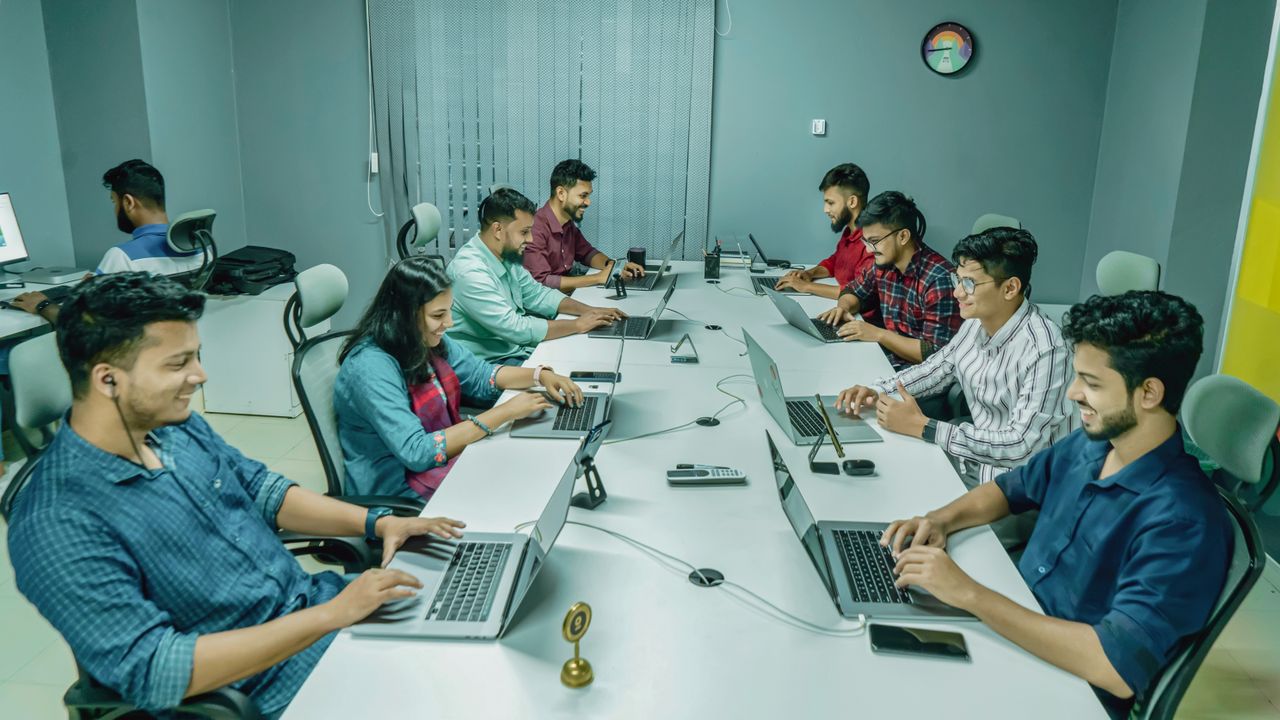
In a significant development that underscores the evolving dynamics of India’s labor market, the Indian Staffing Federation (ISF) has reported that the industry has onboarded approximately 1.18 lakh flexi workers over the past 12 months. This surge is seen as a direct reflection of the growing demand for flexible staffing solutions across various sectors in the country.
According to data released by the ISF, this substantial increase in flexi workforce engagement can be attributed to sectors such as IT, retail, and healthcare, which have shown a robust inclination towards adopting more versatile and dynamic staffing models. Such models are increasingly being recognized for their role in enhancing operational efficiency and allowing businesses to respond more agilely to market demands.
Rituparna Chakraborty, President of the ISF, highlighted the strategic importance of this trend: “The shift towards flexible staffing solutions is not merely a tactical business decision but a strategic rethinking of workforce management. This approach enables companies to manage their workforce in a more scalable, cost-effective manner while maintaining the agility required to navigate fluctuating market conditions.”
The report also sheds light on the geographical distribution of flexi staffing, noting a higher concentration in metropolitan areas such as Mumbai, Bengaluru, and Delhi. These cities represent the hubs of economic activity in India, where the demand for flexible work arrangements consistently outstrips other regions. This urban-centric trend underscores the broader economic shifts and the rapid urbanization affecting the country’s workforce landscape.
Furthermore, the ISF’s findings reveal that there is a significant uptake in temporary staffing among startups and small to medium-sized enterprises (SMEs). These businesses, often characterized by limited resources and high market volatility, find that flexible staffing not only reduces their financial burden but also provides them access to a broader talent pool without the long-term commitment traditional employment requires.
Looking ahead, the Indian Staffing Federation anticipates that the demand for flexi workers will continue to rise. The federation is actively working with government bodies to further streamline regulatory frameworks, which could foster an even more conducive environment for the growth of flexible staffing solutions. This initiative is expected to enhance job creation and contribute significantly to the overall economic development of the country.
As businesses and policymakers continue to navigate the complexities of the labor market, the rise in flexi staffing serves as a pivotal indicator of the changing paradigms in employment across India. The implications of this trend extend beyond immediate business benefits, potentially reshaping employment policies and labor laws to accommodate the evolving demands of the modern workforce.
Understanding the Indian Staffing Federation (ISF)
The Indian Staffing Federation (ISF) plays a pivotal role in shaping the staffing industry in India. Established as a body to standardize and promote ethical practices in the flexible staffing industry, ISF collaborates with various stakeholders including government bodies and corporate entities to address key workforce issues. The federation’s data and research are used to inform policy decisions and provide insights into the labor market trends, acting as a bridge between the private sector and governmental regulations. Their reports, including the recent one on the surge in flexi workers, serve as benchmarks for understanding sector-specific employment trends and economic health.
Initiatives and Collaborations
ISF is actively engaged in initiatives that promote the benefits of flexible staffing solutions to both employers and employees. These include educational campaigns on the advantages of flexi staffing, such as cost-efficiency and workforce agility. The federation also collaborates with educational institutions to ensure a steady flow of skilled workers into the flexible workforce. Moreover, ISF works closely with policymakers to influence and shape labor laws that support the growth of flexible employment while ensuring worker protection, thereby fostering a more adaptable employment landscape in India.
The Rise of Flexible Staffing Solutions
Flexible staffing solutions offer myriad benefits to businesses, primarily revolving around cost management and operational flexibility. Companies utilizing these models can scale their workforce up or down based on real-time market conditions without the financial and logistical burdens associated with permanent hires. This model is particularly beneficial in industries where demand can be seasonal or unpredictable, such as retail and IT. By adopting flexible staffing, businesses can optimize their operations and maintain competitiveness in dynamic market environments.
Impact on Workers
For workers, flexible staffing can provide a range of employment opportunities that might not be available in traditional roles. It offers the potential for a better work-life balance, the ability to work in diverse industries, and the flexibility to choose assignments based on personal and professional preferences. However, this model also poses challenges, including job security and benefits typically associated with permanent employment. Recognizing these challenges, ISF and other bodies are working towards ensuring that flexible employment does not compromise worker rights and benefits.
Flexible Staffing Across the Country
The adoption of flexible staffing solutions is predominantly higher in urban centers such as Delhi, Mumbai, and Bengaluru. These cities, known for their economic vibrancy and higher business activities, offer more opportunities for both businesses and flexi workers. The demand in these metropolitan areas is driven by a diverse range of industries including technology, finance, and service sectors. Conversely, rural areas have slower adoption rates due to lesser industrial activity and limited access to such flexible employment opportunities, reflecting a divide that mirrors broader economic disparities between urban and rural India.
Future Prospects
The future landscape of flexible staffing in India appears promising. The ongoing urbanization and technological advancements are likely to expand the scope and scale of flexible staffing solutions across more regions and sectors. As digital platforms continue to evolve, they will facilitate easier connections between employers and flexible workers, thereby enhancing the efficiency of this employment model. Moreover, with continued advocacy and refinement in policies by bodies such as the ISF, the integration of flexible staffing into the mainstream workforce is expected to grow, further solidifying its role in shaping India’s employment framework.